
India, the world’s second-largest steel producer, stands at a decisive crossroads. As construction, infrastructure, and urban expansion surge, so does demand for steel—traditionally synonymous with coal‑fired emissions. With the government pledging net‑zero carbon emissions by 2070, green steel—produced with low‑carbon-inputs—emerges as a cornerstone of industrial transformation.
“Green steel” in India refers to steel produced with less than 2.2 t CO₂ per tonne of finished steel; emissions ≤1.6 t/tonne earn a “five‑star rating” ft.com+15reuters.com+15climatecatalyst.org+15reuters.com. Achieving this involves deploying clean technologies like hydrogen‑based reduction, electric arc furnaces powered by renewables, and carbon capture, supported by robust policy initiatives.
Why India Needs Green Steel
Carbon intensity of traditional steel
India’s steel sector contributes ~12% of national CO₂ emissions, producing an average intensity of ~2.5 tonnes CO₂/tonne—higher than the global average of 1.9 tCO₂/tonne ey.comargusmedia.com+1energy.economictimes.indiatimes.com+1. Continued reliance on coal could lock in massive emissions.
Exposure to global climate rules
With the EU’s Carbon Border Adjustment Mechanism (CBAM) launching circa 2026, high‑emission exports may face carbon tariffs—potentially diluting the competitiveness of India’s coal‑steel exports apnews.com+2ft.com+2en.wikipedia.org+2. Green steel is critical to retaining global market access.
Leveraging renewable growth
India’s massive growth in solar and wind presents an opportunity. Firms like Jindal Renewables and Suzlon are deploying captive renewable capacity to supply steel plants timesofindia.indiatimes.com+15business-standard.com+15argusmedia.com+15, positioning themselves to leverage eco-friendly energy.
The economic upside
Demand for certified green steel is rising globally, with premiums of €200–300/tonne reported in Europe renewable-india.com. India, too, could benefit—domestically and abroad—while spearheading innovation in green commodities.
Policy Infrastructure
Green Steel Taxonomy
In December 2024, India launched the world’s first national green steel taxonomy, formalising emission thresholds (<2.2 tCO₂/tonne, <1.6 tCO₂ for 5‑star) and establishing MRV frameworks via the National Institute of Secondary Steel Technology (NISST) reuters.com+2livemint.com+2energy.economictimes.indiatimes.com+2.
Incentives & public procurement mandates
Federal plans include incentives for renewable-powered steel production and a target to require green steel in publicly‑funded projects. The Steel Secretary has confirmed formal approval is imminent reuters.com+9reuters.com+9livemint.com+9.
National Green Steel Mission
Building on a roadmap released in September 2024, the mission targets a 45% renewable energy mix in steel by 2030, along with green hydrogen pilots, CCUS, and supportive policy tools argusmedia.com.
GreenCo ratings & standards
Telangana’s GreenCo Summit in 2025 emphasized rating industrial units for sustainability, highlighting over ₹5,100 crore in benefits achieved by 1,500+ units timesofindia.indiatimes.com.
Technological Pathways
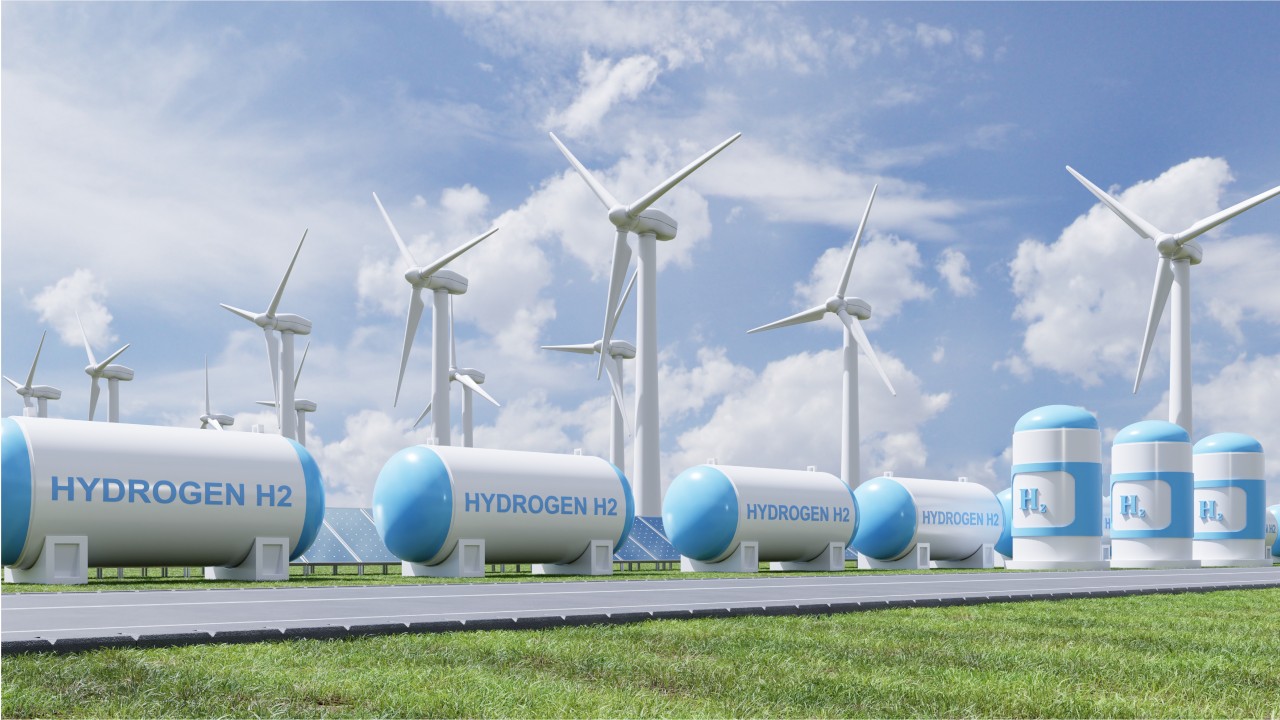
Hydrogen-based direct reduced iron (H₂-DRI)
H₂‑DRI, where green hydrogen replaces coal, can slash up to 97% of CO₂ emissions ey.com. Companies like Tata Steel, JSW Steel, and JSPL are piloting H₂ injection and planning green hydrogen plants .
Electric Arc Furnaces (EAFs)
EAFs powered by renewable energy produce steel with ~88% lower emissions compared to blast furnaces ey.com+1livemint.com+1. However, reliance on scrap limits adoption (India scrap use ~22% vs 35% global average) business-standard.com+7livemint.com+7energy.economictimes.indiatimes.com+7.
Carbon capture
Carbon Capture Utilisation and Storage (CCUS) technologies are being developed alongside traditional BF‑BOF setups as interim solutions energy.economictimes.indiatimes.com+2argusmedia.com+2ey.com+2.
Renewable energy integration
Projects like Suzlon–Jindal’s 400 MW captive wind in Karnataka bolster the shift toward renewable-powered steelmaking reuters.com+15business-standard.com+15solarquarter.com+15. LMEL’s Surjagarh mine uses EV fleets and slurry pipelines to reduce mining emissions timesofindia.indiatimes.com.
Key Industry Players
JSW Steel
- Aiming for green hydrogen via 3,800‑tonne hydrogen plant at Vijayanagar.
- Partnering with JSW Energy for green hydrogen and oxygen supply.
- Plans green steel plant by 2030 to meet CBAM ft.com+15en.wikipedia.org+15argusmedia.com+15.
Tata Steel
- Targeting net‑zero by 2045.
- Shutting UK blast furnaces, building Ludhiana EAF plant by early 2026.
- Developed hydrogen transport pipes—first in India netzeroalliance.in+2livemint.com+2reuters.com+2reddit.com.
JSPL
- Expanding Angul steel plant from 6 MTPA to 12 MTPA, with hydrogen‑based green steel orientation by 2030.
- Developing coal gasification techniques to cut coal exposure reddit.com.
Jindal Stainless Ltd
- Partnered with ReNew Power for 300 MW hybrid renewables.
- On track for 2050 net‑zero and cutting 140,000 tonnes CO₂ in FY22 en.wikipedia.org.
Lloyds Metals (LMEL)
- Surjagarh Mine pioneering India’s first “green mine,” reducing CO₂ by 32,000 tonnes/year via renewable logistics and EVs timesofindia.indiatimes.com.
Opportunities & Benefits
Export competitiveness
Green steel allows India to comply with emerging global trade rules and potentially earn carbon credits—improving cost competitiveness and ecological legitimacy.
Domestic growth
Green public procurement could drive 5–15% market share in infrastructure between FY27‑31, scaling green steel demand from ~2.2 Mt to ~10.6 Mt netzeroalliance.in.
Economic development & jobs
Transitioning to green steel creates jobs across renewable energy, hydrogen, CCUS, and green-tech R&D—supporting sustainable growth .
Public health
Shifting away from coal reduces air pollution, improving public health and reducing healthcare burdens.
Challenges Ahead
High upfront costs
Green hydrogen (~$12/kg) today is expensive; suitable pricing (<$2/kg) is necessary for commercial viability swarajyamag.com.
Limited scrap availability
India’s domestic scrap supply (~22%) lags global averages and limits EAF usage energy.economictimes.indiatimes.com+3livemint.com+3ey.com+3.
Technology maturity
H₂‑DRI and CCUS remain in nascent stages and require scale‑up and R&D investment ey.com+1climatecatalyst.org+1.
Policy risk
Uncertainties in incentives, procurement frameworks, and approval timelines may slow adoption. Prompt policy execution is critical.
Infrastructure needs
Needs include green hydrogen pipelines, EV integration, renewable grids, and storage solutions to support green steel value chains.
Tracking Progress
| Metric | Target | Progress |
|---|---|---|
| Taxonomy | <2.2 tCO₂/tonne steel | Launched December 2024; reviewed every 3 years energy.economictimes.indiatimes.com+3ey.com+3climatecatalyst.org+3renewable-india.com+6livemint.com+6reuters.com+6reuters.com+1energy.economictimes.indiatimes.com+1 |
| Renewable integration | 45% by 2030 | Roadmap announced Sept 2024 |
| Hydrogen pilots | Seven under National Mission | Confirmed via SolarQuarter April 2025 |
| EAF capacity | EAF expansion underway | Tata in Ludhiana, JSW planning EAFs |
| Public procurement | Policy in final stage | Procurement supported by green steel mission |
Sectoral and Regional Highlights
Telangana & GreenCo
Telangana showcases GreenCo ratings, with industrial units earning ₹5,100 cr benefits and expanding green adoption timesofindia.indiatimes.com.
Odisha mega projects
JSPL and Vedanta are investing heavily in Odisha’s steel and metals sector—scale and scope that could incorporate green technologies if aligned with policy reddit.com+1timesofindia.indiatimes.com+1.
Maharashtra’s green mining
LMEL’s use of slurry pipelines and EV fleets at Surjagarh underscores the synergy between green mining and steel production timesofindia.indiatimes.com.
The Road Ahead
India’s green steel journey is ambitious. Key priorities include:
- Policy action: Finalise procurement mandates, incentives, and carbon pricing.
- Scale renewables: Prioritise solar–wind hybrids connected to steel plants.
- Green hydrogen focus: Bring down costs with R&D, scale-up, and supportive pricing models.
- Boost scrap recycling: Formalise scrap collection systems and leverage existing scrap for EAF growth.
- Foster tech partnerships: Collaborate with global leaders (BHP, SMS, Primetal, etc.) and national research hubs climatecatalyst.org+8ey.com+8netzeroalliance.in+8solarquarter.com.
- Expand MRV systems: Ensure transparent emission accounting through NISST and green certification.
- Promote pilot diffusion: Scale local success stories like LMEL’s green mine and Tata’s hydrogen pipes.
- Build the green talent pipeline: Invest in training engineers, plant operators and R&D personnel.
Conclusion: A Future Forged in Clean Steel
Green steel is more than industrial innovation—it’s a linchpin in India’s fight against climate change, industrial competitiveness, and economic modernization. By blending ambitious policy, technological innovation, and global collaboration, India can leapfrog into a low-carbon future, offering a new paradigm for large-scale manufacturing.
The green steel revolution is underway—with clear benchmarks, industry alignment, and international drivers—but what really matters is execution. While hurdles remain—costs, infrastructure, policy iteration—the momentum is real. India stands poised to not only decarbonize its steel but to create a lasting global legacy of green industrialism.